
Archival Irruptions
Thematic connections with Opapa Research

It’s been over a year (!) since my last post. I will be coming back to Opapa research eventually, but today, I want to write about what I’ve been doing instead: among other things, I finished a book that came out this week with Duke University Press: Archival Irruptions: Constructing Religion and Criminalizing Obeah in Eighteenth-Century Jamaica.
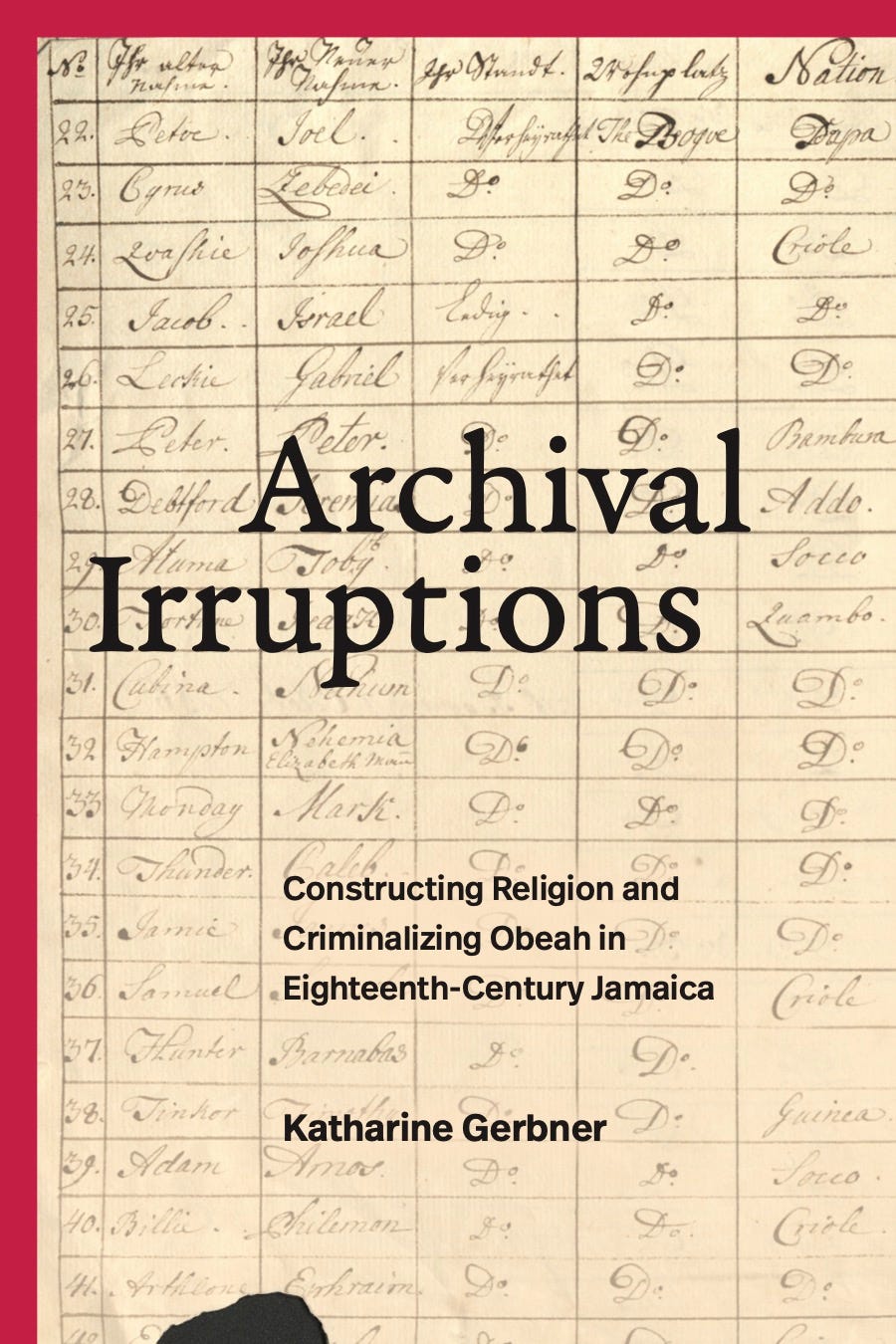
Over the past few years, I have struggled to explain the connection between Archival Irruptions and Opapa research. My book is about colonial Jamaica, and it uses previously unexamined German Moravian missionary records to tell a new history of Obeah, an Afro-Caribbean religion banned in 1760. My grandfather’s story, by contrast, begins in Hungary, and focuses on the history of media and fascism in the twentieth century. It weaves together my own memories with the records left behind by my grandparents.
These do not sound like similar projects – but they are. So today, I want to narrate what I see as the common threads in my research writ large: about Opapa, and about Obeah in eighteenth-century Jamaica.
My grandfather used to talk regularly about how humans are storytellers. His own roots were in the study of folklore, and he brought that focus on storytelling to his study of media and communication. The questions at the core of his research were about power: who controlled the stories that were told and circulated within a society? What impact did the media’s messages have on individuals and their perception of the world around them? What implications did those media effects have for democratic governments?
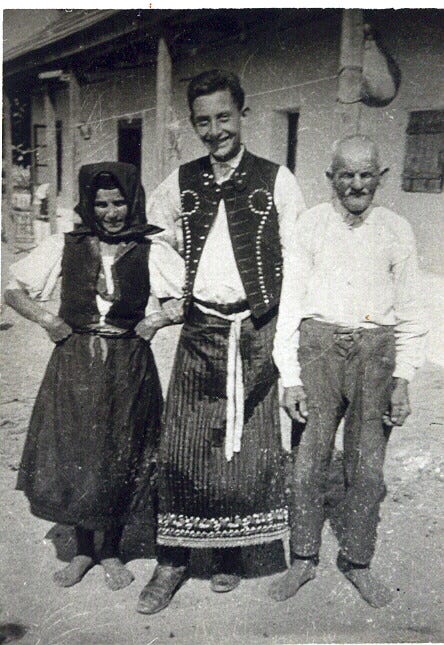
One of my primary objectives as a historian is to study stories that have not been told – stories that have been suppressed, marginalized, or silenced. There is a name for this type of study: agnotology - the study of that which has been forgotten, often intentionally.
This is what Archival Irruptions does: it focuses on Obeah, an Africana religion that has been defined as a crime for over 200 years. My book tells a history of the practice before it was criminalized in 1760. This is a difficult task because historical methodology depends on the written record. One of the primary challenges facing historians is accessing the perspective of those whose words were not recorded.
So Archival Irruptions is about two things: it is about the meaning of Obeah in eighteenth-century Jamaica and it is about how historians can read colonial and missionary archives for hidden histories.
I call this method “reading for irruptions.” I define an “irruption” as a rupture in a colonial and missionary narrative that creates an opportunity to tell an alternative history. I developed this approach based on over a decade of studying the problem of archive. Inspired by scholars like Michel-Rolph Trouillot, Saidiya Hartman, Ann Stoler, and Lisa Brooks, I wanted to draw on their methods and think deeply about the metaphors we use to think about the past: do we “uncover” history, should we read “against the grain” or identify “silences”?
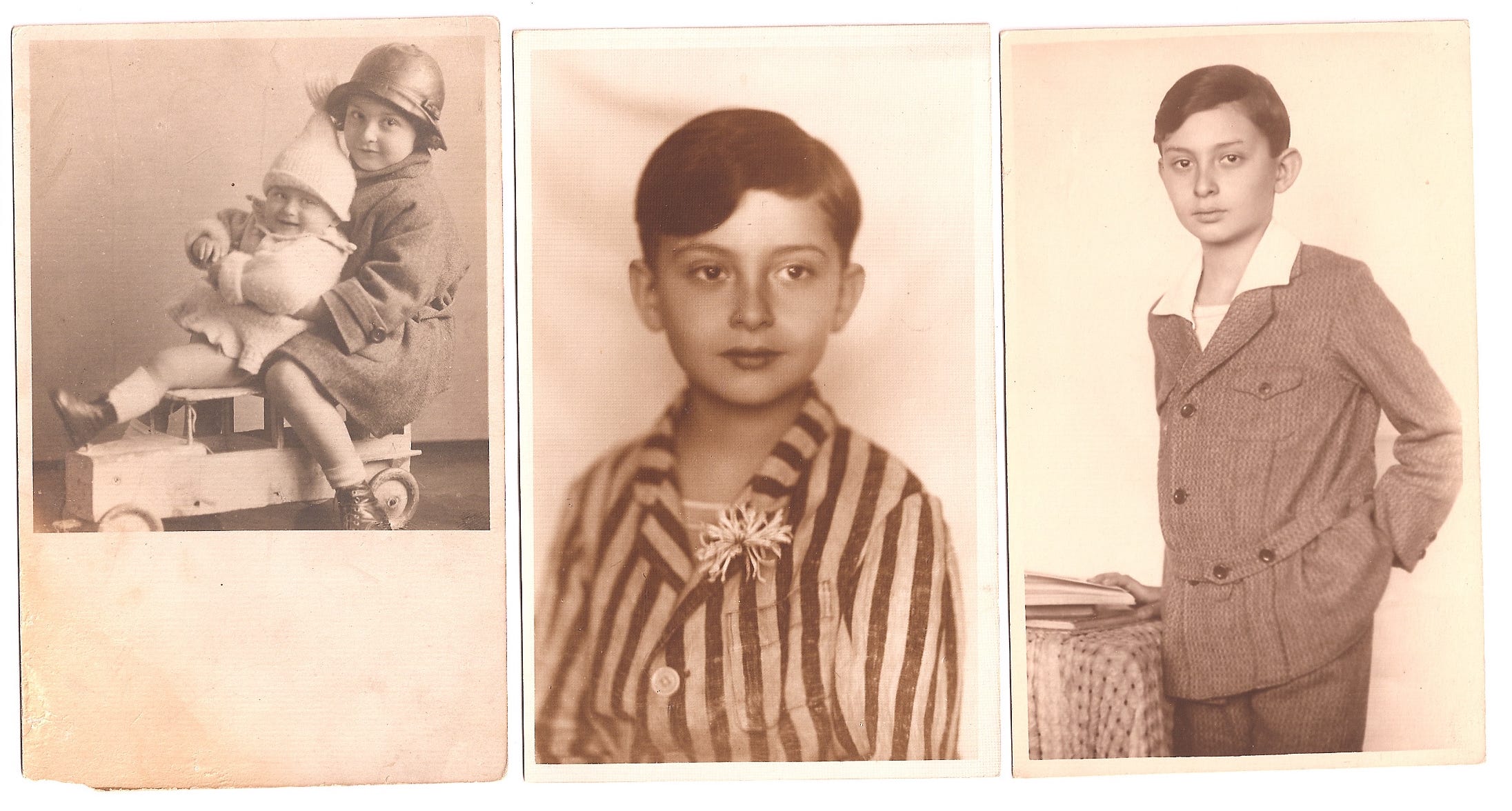
It’s a meta-question about history as a discipline, but it directly intersects with my approach to my grandfather’s life and my interest in his media research, as well as the stories he chose not to tell. Those of you who have read my posts know that my grandparents chose not to disclose their Jewish heritage to their family. These family secrets about religion are an example of agnotology, in the sense that my own Jewish heritage was in the process of being intentionally forgotten.
So that’s one intersecting thread – the study of things that have been forgotten, and the methodological tools we need to uncover them.
Here’s another connection: religion and crime.
My grandfather fled Hungary – and shed his religious identity – because being Jewish became a crime. Fascist leaders changed the legal code over the course of the 1930s to restrict and confine Jewish movement and the ability of Jews to work. Eventually, Jews – including my great-grandfather – would be rounded up and murdered.
When I first conceptualized my book on Obeah, this is the question I started with: Who decides what counts as a religion and what is deemed a superstition—or even a punishable crime?
The question could work for either research project. Here is how it works for Obeah:
Obeah was criminalized in 1760 after Tacky’s Revolt, the largest slave revolt in the 18th century British Empire—and it remains illegal to this day. It was banned because colonial authorities believed that Obeah practitioners helped rebels in their month-long attack on their enslavers. In the law passed after the revolt, lawmakers called Obeah a “wicked Art” and threated execution or exile for anyone caught practicing it.
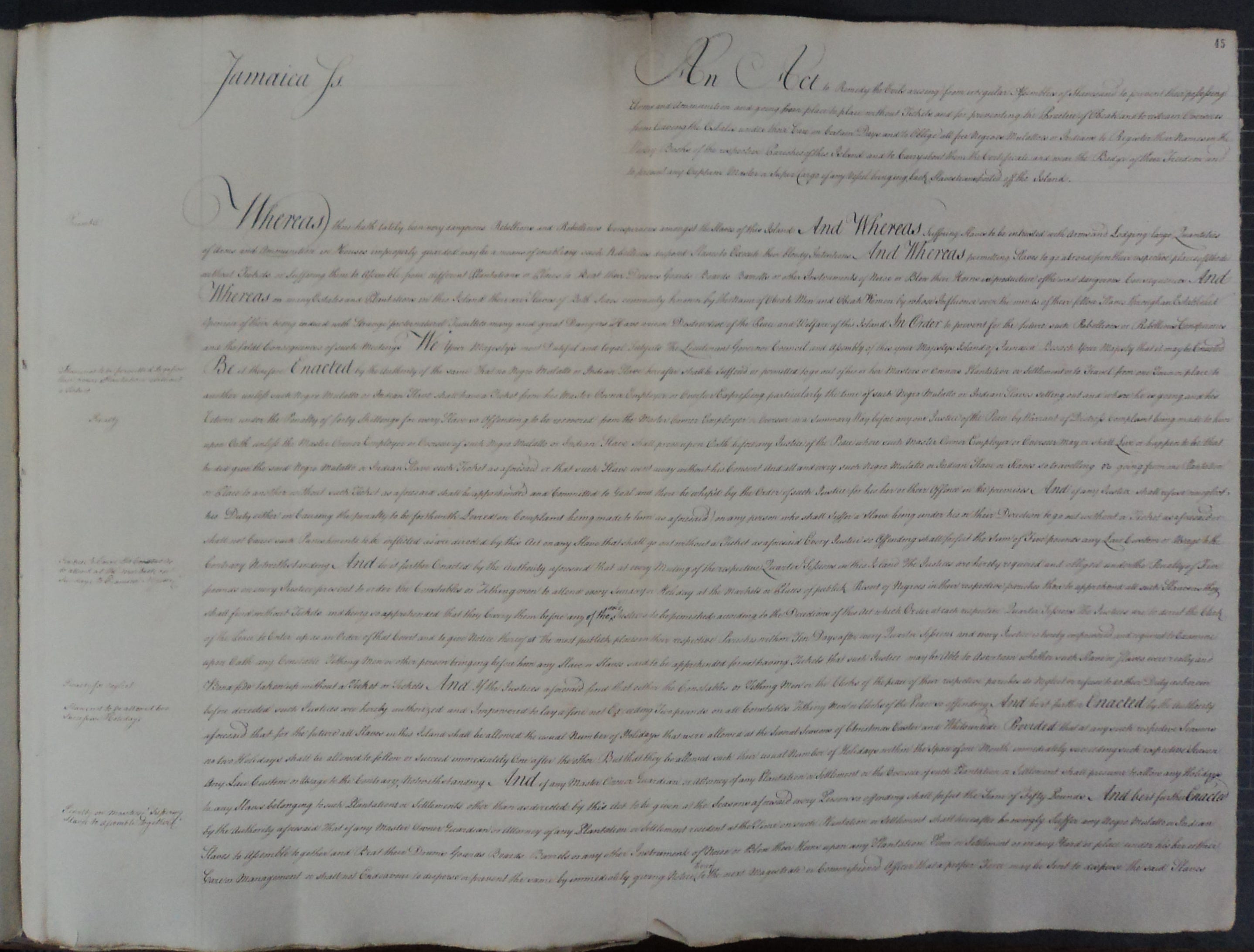
Over the next two centuries, the Obeah law would be used to police, arrest, and punish people of African descent who were accused of practicing Obeah. Laws against Obeah spread from Jamaica to other Anglophone Caribbean islands. Meanwhile, Obeah became a popular subject for English colonial writers, who described it as a superstition that was both dangerous and fraudulent. The impact of Obeah’s criminalization has persisted, and Obeah remains illegal in Jamaica.
Obeah, unlike Judaism, is not easily recognizable as a “religion.” Today, most people today think about Obeah as a form of “black magic,” rather than a religion. But the argument I make in my book is that this perception is a direct consequence of criminalization. Studying Obeah thus raises several important questions: what gets called a “religion,” and what doesn’t? How and why is a religion criminalized? And finally, is it possible to “convert” from one religion to another?
Nazi ideology defined Judaism as a race, rather than a religion, meaning that Jews could not, in most cases, escape criminal punishment by converting to Christianity. By contrast, colonial law defined Obeah as a set of punishable practices that reduced Obeah to a dangerous but illegitimate superstition, rather than a religion. It was a different tactic, but what these two efforts had in common was that they sought to govern and redefine a religious tradition into a criminal activity to maintain control and power over a group of people they deemed dangerous or unworthy.
These themes – of criminalizing religious practices, and racializing religion, transcend time and space. One of the goals of all my research, whether about Obeah or Opapa, is to show the interconnective tissue that underlies these different forms of injustice.
Wow! The link! And it makes a lot of sense.